
Table of Contents
7 Steps to Starting Your Own Allotment (UK Beginner’s Guide)
Starting an allotment UK can feel overwhelming at first. Waiting lists, rules, plot sizes and the fear of taking on too much too soon can put people off before they even begin.
The good news is that starting an allotment doesn’t have to be complicated. If you take it step by step, it can be one of the most rewarding hobbies you’ll ever have.
If you’re new to starting an allotment UK, breaking the process into manageable steps makes everything far more achievable.
One of the biggest challenges for beginners is knowing what to prioritise throughout the year. That’s why following a structured UK allotment jobs month by month guide can make planning far easier and help you stay on track from your first season onwards.
Here are 7 simple steps to starting your own allotment, written for beginners in the UK.
Before starting an allotment UK, it helps to understand how the system works and what to expect from your first season.
Step 1: Find Your Local Allotments
The first step is finding out what allotment sites are available near you.
Most allotments in the UK are run by local councils, although some are managed by private associations or charities. A quick search for “allotments near me” or a visit to your local council website is usually the best place to start.
Don’t be discouraged if there’s a waiting list. Many people give up plots each year, and smaller or half plots often become available sooner.
Most council-run allotments follow national guidance, which you can read about on the official GOV.UK allotment information page.
Step 2: Put Your Name on the Waiting List
Once you’ve found an allotment site, get your name on the waiting list as soon as possible.
Waiting times vary widely. In some areas it can be a few months, while in others it can be several years. Being flexible about plot size or site location can sometimes speed things up.
While you’re waiting, it’s a good time to start learning the basics so you’re ready when a plot becomes available.
Step 3: Visit the Allotment Site
If possible, visit the site before accepting a plot.
Walking around gives you a feel for:
- The condition of the plots
- The type of soil
- Access to water
- The general atmosphere of the site
Talking to existing plot holders can also be incredibly helpful. Most allotment gardeners are happy to share advice and tips, especially with beginners.
Step 4: Start Small and Be Realistic
One of the most common mistakes beginners make is taking on too much too soon.
A full-size plot can be a lot of work, especially in the first year. If you’re offered a smaller plot, it’s often wise to take it. You can always upgrade later once you know how much time and effort you can realistically commit.
Remember, an allotment doesn’t need to look perfect. Progress is more important than appearances.
Step 5: Preparing the Ground When Starting Your Own Allotment
When you first get your plot, it might look overgrown or neglected. That’s normal.
Resist the urge to clear everything at once. Instead:
- Tackle the plot in sections
- Remove weeds gradually
- Improve the soil as you go
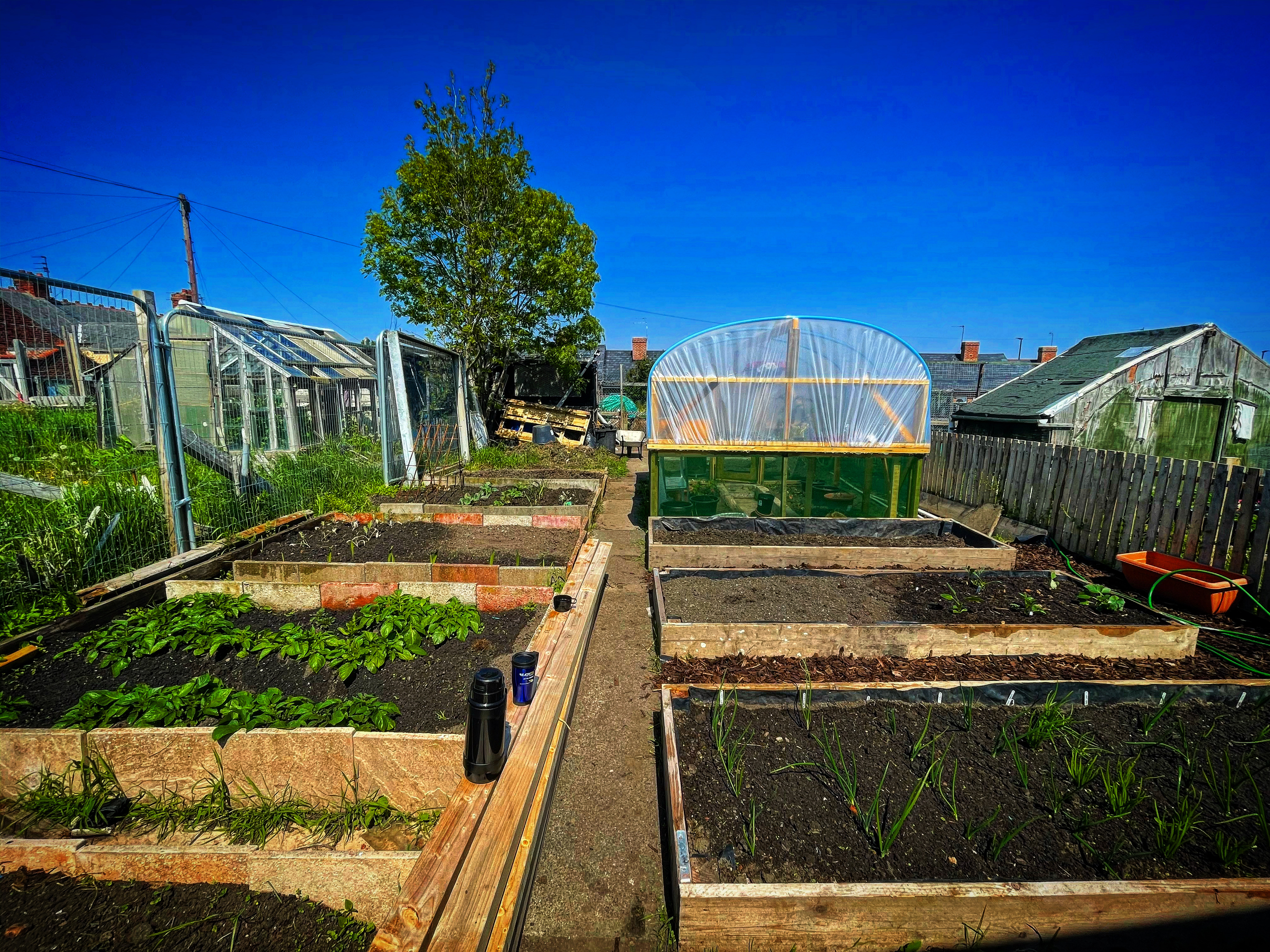
Many experienced allotment holders recommend focusing on just a small growing area in your first season. This makes the workload manageable and gives you early successes.
Step 6: Choose Easy Crops for Your First Year
In your first year, it’s best to grow crops that are reliable and forgiving.
Good beginner crops include:
- Potatoes
- Onions
- Courgettes
- Salad leaves
- Beans
These crops grow quickly and help build confidence. You’ll learn far more from a few successful harvests than from trying to grow everything at once.
Step 7: Learn as You Go and Enjoy It
An allotment is a long-term hobby, not a race.
Things will go wrong — crops will fail, pests will appear, and plans will change. That’s all part of the learning process. Each season brings new experience and confidence.
Most importantly, enjoy the time outdoors. For many people, an allotment becomes as much about relaxation and wellbeing as it is about growing food.
Final Thoughts on Starting an Allotment
Starting an allotment is one of the most satisfying ways to grow your own food, get some exercise, and spend time outdoors.
If you’re patient, realistic, and willing to learn as you go, an allotment can reward you year after year.
If you’re interested in understanding more about how allotments work, including costs, waiting lists, and legal protections, you may find our Allotment Facts guide useful.