
Done
Table of Contents
🌱 Allotment Jobs in March (UK Growing Guide)
Allotment jobs in March are all about preparing for the main growing season ahead.
Longer days, slightly warmer soil, and that feeling that the growing season is properly beginning. It can still be cold and unpredictable in the UK, but this is the month where preparation pays off.
If February was about planning, March is about action.
See the full month-by-month allotment calendar here.
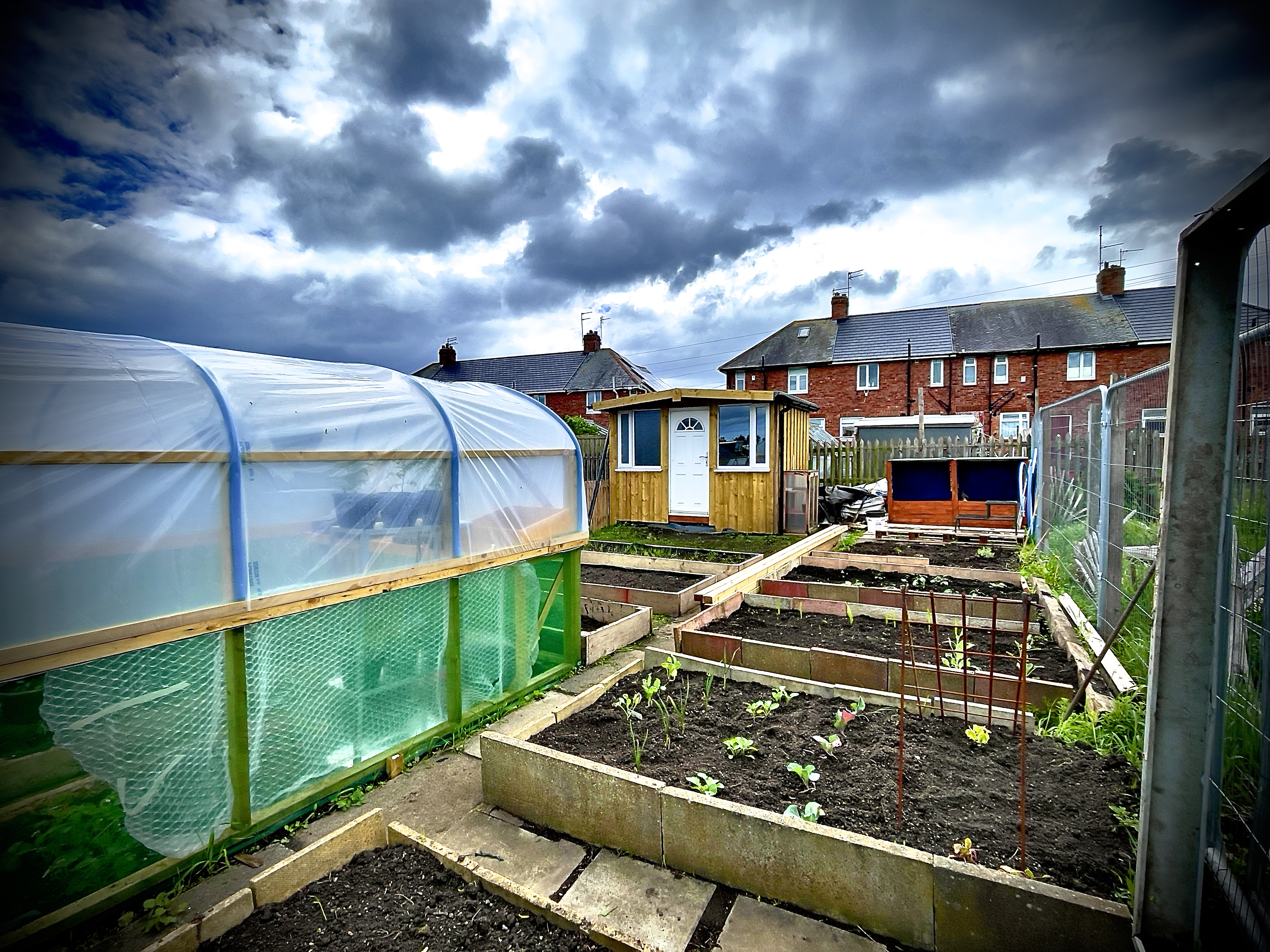
What to Sow on Your Allotment in March
March is a big sowing month. Depending on your location, you can start sowing both indoors and outdoors.
Sow Outdoors (if soil is workable)
• Broad beans
• Peas
• Spinach
• Spring onions
• Radish
• Lettuce (hardy varieties)
• Carrots (under cloches in colder areas)
• Beetroot (late March)
If your soil is still heavy or waterlogged, don’t force it. Wait until it crumbles nicely rather than sticking together.
Sow Indoors or Under Cover
• Tomatoes
• Chillies
• Peppers
• Aubergines
• Cabbage
• Cauliflower
• Leeks
A windowsill, greenhouse or cold frame works well this time of year.
What to Plant in March
March is ideal for getting early crops established.
• Onion sets
• Shallots
• Early potatoes (chitted)
• Garlic (if not already planted)
• Fruit trees and bushes
• Rhubarb crowns
Planting early potatoes now can give you a harvest as early as June.
What to Harvest in March
Harvests are still light, but you may have:
• Leeks
• Sprouting broccoli
• Kale
• Winter cabbage
• Parsnips (before they go woody)
March is often the “gap month” before fresh crops start coming through again.
Maintenance Allotment Jobs In March
This is where the real work happens.
• Prepare beds by clearing weeds
• Add compost or well-rotted manure
• Repair netting and supports
• Install water butts
• Finish pruning fruit bushes
• Divide overcrowded perennials
If you do nothing else this month, improve your soil. It makes everything easier later.
Common March Problems
UK weather in March can be unpredictable.
Watch out for:
• Late frosts damaging seedlings
• Slug activity increasing
• Waterlogged soil
• Birds pulling up young shoots
Keep fleece handy and avoid overwatering seedlings.
Pro Tips for March
✔ Start small rather than sowing everything at once
✔ Label everything — you will forget
✔ Don’t rush planting into cold soil
✔ Check weather forecasts before planting tender crops
March rewards patience.
Staying on top of your allotment jobs in March UK helps you build strong early growth and set your plot up for a productive spring and summer ahead.
For more seasonal guidance, read:
Allotment Jobs by Month (UK Guide)
🌱 FAQ: Allotment Jobs in March (UK)
What vegetables can I sow in March on my allotment?
In March, you can start sowing broad beans, peas, carrots, parsnips, spinach and beetroot outdoors (weather depending). Indoors or under cover, you can start tomatoes, chillies and peppers.
Always check your local frost dates before sowing tender crops.
Is March too early to plant potatoes?
No — March is actually the ideal time to plant first early potatoes in most parts of the UK. In colder areas, wait until late March and protect shoots from frost with fleece or soil mounding.
Should I dig my allotment in March?
Only if the soil is workable. If it’s still very wet, avoid digging as this can damage soil structure. Instead, focus on weeding, mulching or preparing beds for later sowing.
What fruit jobs should I do in March?
March is a good time to:
- Finish pruning apple and pear trees (if not already done)
- Feed fruit bushes
- Plant new fruit trees or soft fruit
- Protect blossom from late frosts
How much time should I spend on my allotment in March?
March is a transitional month. One or two focused visits per week is usually enough to stay on top of sowing, bed prep and early maintenance.
🌿 Want to See the Full Growing Calendar?
March is just one part of the year.
See the full month-by-month allotment calendar here: